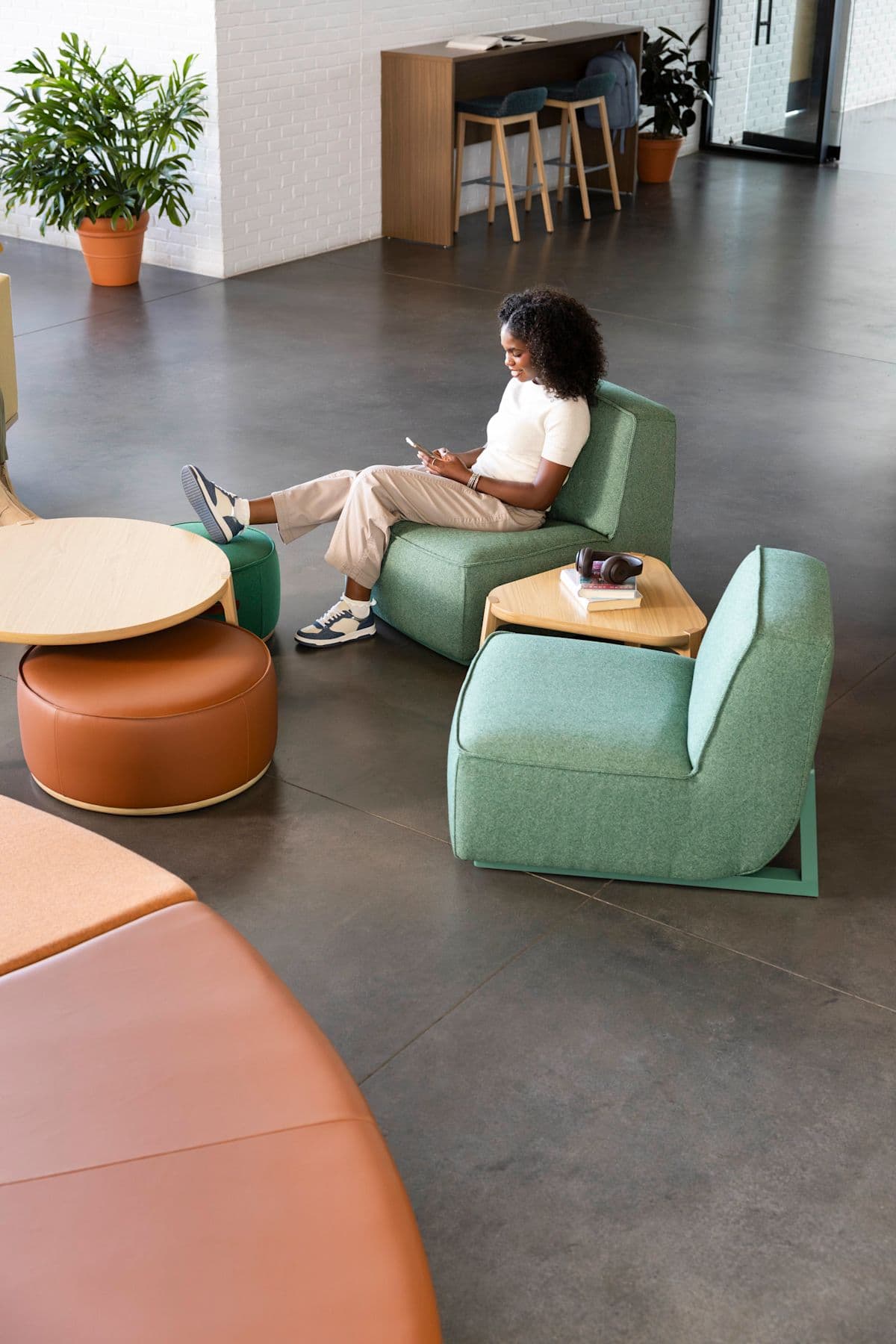
Education Furniture Buying Guide (K-12 & Higher Ed)
Education furniture has evolved far beyond rows of fixed desks. Today's classrooms demand flexible, durable, and collaborative furniture that supports modern pedagogy — from kindergarten maker spaces to university lecture halls. This 13-step guide covers the unique considerations of buying furniture for K-12 schools and higher education institutions.
Last updated: March 2026
Step 1: Assess Needs by Space Type
Education facilities encompass a wide range of environments, each with different furniture requirements. Start by categorizing your spaces: general classrooms, STEM/science labs, libraries and media centers, administrative offices, cafeterias and commons areas, and outdoor learning spaces. Walk each space with teachers, administrators, and facilities staff. Teachers know exactly what's failing in their classrooms — listen to them.
For K-12, note grade-level needs. Elementary students require fundamentally different furniture dimensions than high school students. A one-size-fits-all approach leads to ergonomic problems and frustrated teachers.
Step 2: Establish Budget and Identify Funding Sources
Education furniture budgets often come from multiple sources. For K-12, these may include bond measures, capital improvement funds, ESSER (Elementary and Secondary School Emergency Relief) grants, Title funding, and general fund allocations. Higher education institutions may draw from capital budgets, departmental allocations, or donor-funded projects. Identify all available funding sources early and understand their spending timelines and compliance requirements — some grants expire and unused funds are lost.
What projects like yours run per station
Furniture cost per station across the three TMW package tiers.
Tier ranges cover furniture product cost per station. All-in project budgets also include delivery, installation, sales tax, and contingency. Compare all packages →
Step 3: Select a Dealer Through Cooperative Contracts
Most school districts and universities can bypass the traditional RFP process by purchasing through cooperative purchasing contracts like Sourcewell (formerly NJPA), TIPS/TAPS, OMNIA Partners, or E&I Cooperative Services. These contracts are competitively bid at the national level and offer pre-negotiated pricing from major manufacturers. Using cooperative contracts saves months of procurement time and ensures compliance with competitive bidding requirements.
When selecting a dealer, look for education-specific experience. They should understand prevailing wage requirements, school delivery schedules (summer installation windows), and how to work within purchasing department protocols.
Step 4: Space Planning for Modern Learning
Modern educational space planning prioritizes flexibility and collaboration. Classrooms are moving away from rows of fixed desks toward configurable layouts that support lecture, small group, and individual work modes — sometimes within a single class period. Your dealer's design team should present multiple layout options for each room type, demonstrating how furniture can be rearranged to support different teaching modalities.
Step 5: Product Selection — Classroom Furniture
For general classrooms, the trend is toward mobile furniture on casters — desks and chairs that students can quickly rearrange. Look for student desks with flip-top or nesting capability for easy storage. Chairs should be stackable or nesting for custodial efficiency. Consider combo desk-chair units for smaller rooms where separate pieces create clutter. For K-12, specify age-appropriate sizing: seat heights of 12-14 inches for pre-K through 2nd grade, 14-16 inches for grades 3-5, 16-18 inches for middle school, and standard 18-inch heights for high school.
Step 6: Product Selection — STEM Labs and Maker Spaces
STEM and maker space furniture requires chemical-resistant worksurfaces (phenolic resin or epoxy), adjustable-height tables for varied activities, integrated power for laptops and equipment, and robust storage for tools and materials. Specify tables with heavy-duty steel frames and leveling glides — these spaces see hard use. Mobile storage carts allow materials to be shared between rooms.
Step 7: Product Selection — Library, Media Center, and Commons
School libraries have transformed into multi-use learning commons. Furniture should include a mix of collaborative tables, soft seating, individual study carrels, and technology-enabled spaces. Mobile shelving allows the library to be reconfigured for events, testing, or community meetings. For cafeterias and commons, specify tables and seating that are easy to clean, durable enough for daily student use, and foldable for multi-purpose use of the space.
Step 8: Product Selection — Administrative Offices
Administrative furniture in schools follows the same principles as corporate office furniture — ergonomic task seating, functional desking, and conference furniture. However, budgets are typically tighter. Focus spending on ergonomic chairs for staff who sit all day (front office, counselors, administrators) and specify durable mid-range desking that will last 15+ years.
Step 9: Specify Durability and Safety Standards
Education furniture takes extraordinary punishment. Specify products that meet BIFMA standards and carry GREENGUARD Gold certification for low emissions — important in spaces occupied by children. For K-12, pay special attention to pinch points, tip-over resistance, and edge profiles. All furniture should have rounded edges and stable bases. Request warranty terms of 10 years or more — reputable education furniture manufacturers like VS America, Smith System, and Virco stand behind their products.
Step 10: Review Pricing and Process Purchase Orders
Education pricing through cooperative contracts is typically 40-50% off list price for major manufacturers. Review proposals against contract pricing to confirm discount levels. Process purchase orders through your district's purchasing department, attaching the applicable cooperative contract number. Some districts require board approval for purchases above a certain threshold — build this into your timeline.
Step 11: Manage Lead Times Around the Academic Calendar
The most critical factor in education furniture projects is the summer installation window. Most schools need furniture installed between early June and mid-August. This means orders typically need to be placed by March or April to ensure delivery in time. Lead times of 8-12 weeks are standard, and summer is peak season for education furniture — factories and installers are at capacity.
Step 12: Delivery and Installation
School installations often involve multiple buildings, multiple floors, and tight timelines. Coordinate with facilities staff on building access, custodial support, and staging areas. Installation crews should remove all packaging and debris — schools cannot have cardboard and plastic wrap cluttering hallways when students return. Conduct a room-by-room walkthrough with the installer and a facilities representative before signing off.
Step 13: Post-Occupancy and Teacher Feedback
Within the first month of the school year, survey teachers and staff on the new furniture. Are the mobile pieces actually being moved, or are they staying in fixed rows? Is the sizing appropriate? Are any pieces already showing damage? This feedback informs future purchases and helps you build a long-term furniture replacement cycle aligned with your district's capital planning.
Furnishing a school or campus?
Austin and his team of specialists understand cooperative purchasing, grant compliance, and the unique demands of student environments. Tell us about your school or campus project.
Get Started →