The True Cost of a Bad Office Chair
Austin Frantell · 6 min read · March 17, 2026
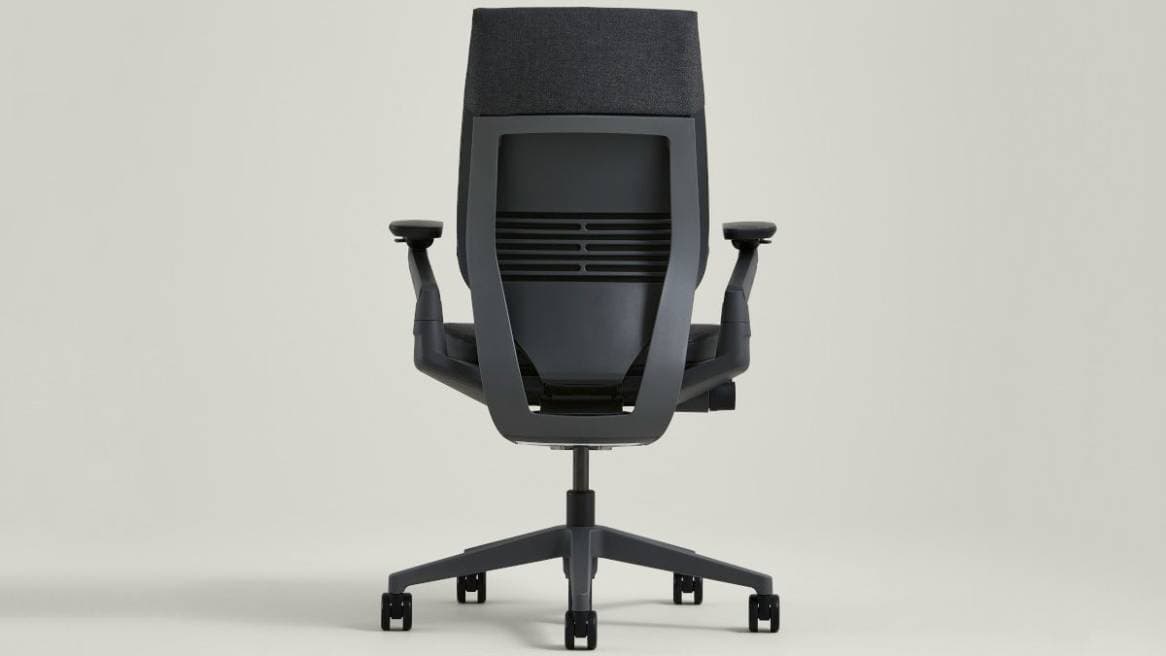
A $150 office chair seems like a bargain. A $1,200 ergonomic chair seems like a splurge. But when you factor in the hidden costs of that cheap chair — workers' comp claims, productivity loss, absenteeism, and turnover — the math flips completely.
Here's what a bad office chair actually costs your business.
The Direct Health Costs
Back pain is the leading cause of disability worldwide, and prolonged sitting in a poorly designed chair is a primary contributor. The numbers are staggering:
- $51 billion — annual US healthcare spending on back pain alone
- 264 million work days lost per year due to back pain (Bureau of Labor Statistics)
- $34,600 — average workers' compensation claim for a back injury (NCCI)
Not every back problem is caused by a bad chair, but research consistently shows that unsupportive seating dramatically increases the risk of musculoskeletal disorders (MSDs). OSHA estimates that MSDs account for 33% of all worker injury and illness cases.
A single workers' comp claim for a back injury can cost more than outfitting your entire office with premium chairs.
The Productivity Tax
Even when bad chairs don't cause injuries, they create constant low-level discomfort that erodes productivity. Studies show:
- Workers in ergonomic chairs are 17.7% more productive than those in standard chairs (Washington State Department of Labor)
- 53% of workers report that physical discomfort at their desk reduces their ability to focus
- Employees experiencing back pain show a 20-28% reduction in cognitive performance on complex tasks
- Frequent position shifting — a hallmark of sitting in an uncomfortable chair — interrupts focus every 3-5 minutes
For an employee making $75,000/year, a 17% productivity loss equals $12,750 in lost output annually. That's 10x the cost of a premium chair.
Absenteeism and Presenteeism
Bad chairs don't just make people uncomfortable — they make people miss work.
- Employees with musculoskeletal complaints average 7 additional sick days per year compared to those without
- At an average daily cost of $350/day per employee, that's $2,450 per year per affected employee
- Presenteeism (being at work but underperforming due to pain) costs employers an estimated 10x more than absenteeism according to the Journal of Occupational and Environmental Medicine
The Turnover Connection
Workplace comfort directly affects retention. In multiple surveys:
- 87% of workers say their physical workspace affects their decision to stay at a company
- 1 in 3 employees has considered leaving a job due to uncomfortable working conditions
- Replacing an employee costs 50-200% of their annual salary (recruitment, onboarding, lost productivity)
If even one employee leaves partly because of a poor workspace, the replacement cost dwarfs the price of upgrading their chair.
The Math: Cheap Chair vs. Premium Chair
Let's compare the 5-year total cost of ownership:
Budget Chair ($200)
- Purchase price: $200
- Replacement at year 3 (typical lifespan): $200
- Estimated productivity loss (5% conservative): $3,750/year = $18,750
- One extra sick day/year: $1,750 over 5 years
- 5-year total cost: $20,900
Premium Ergonomic Chair ($1,200)
- Purchase price: $1,200
- No replacement needed (12-year warranty typical)
- Productivity gain (5% conservative): +$3,750/year = +$18,750
- Reduced sick days: saves $1,750 over 5 years
- 5-year total cost: $1,200 (net savings: $19,700)
Even using conservative estimates, the premium chair pays for itself in the first two months through productivity gains alone.
Use our Ergonomic ROI Calculator to run these numbers with your actual team size and salary data.
What Makes a Chair "Good"
Not every expensive chair is ergonomic, and not every budget chair is terrible. Here's what to look for:
Essential adjustments:
- Seat height (pneumatic cylinder)
- Seat depth / slider
- Lumbar support (height and depth)
- Armrest height and width
- Backrest recline tension and lock
Nice to have:
- Headrest (for reclined work)
- Seat angle tilt
- Forward tilt (for active sitting)
- Breathable mesh back
Red flags in cheap chairs:
- Fixed armrests or no armrests
- No lumbar support adjustment
- Shallow seat pan with no depth adjustment
- Non-breathable materials (vinyl in hot offices)
- Weight rating under 250 lbs
- Warranty under 5 years
The Business Case for Upgrading
If you need to justify the expense to leadership, frame it this way:
- Calculate current cost: Number of employees x estimated productivity loss from poor seating (even 2-3% is substantial)
- Calculate upgrade cost: Number of chairs x price difference between current and proposed
- Calculate payback period: Typically 2-6 months for a full chair upgrade
For a 50-person office upgrading from $200 chairs to $800 chairs, the total investment is $30,000. At even a conservative 3% productivity improvement across 50 employees averaging $70K salary, the annual return is $105,000. That's a 350% ROI in year one.
Recommended Chairs by Budget
- $300-500: HON Ignition 2.0, SitOnIt Novo, Eurotech Ergohuman
- $500-800: Haworth Zody, SitOnIt Amplify, 9to5 Seating Vault
- $800-1,200: Steelcase Leap, Herman Miller Aeron (refurbished), Humanscale Liberty
- $1,200+: Herman Miller Aeron (new), Steelcase Gesture, Humanscale Freedom
For more detailed comparisons, see our Herman Miller vs. Steelcase deep dive or use the Furniture Comparison Guide.
The bottom line: a bad chair is one of the most expensive "savings" a company can make. Invest in seating, and everything else — productivity, health, morale, retention — gets better.
Working on a project right now?
Request pricing or more information about furniture and project services. Share your scope, location, and timeline, and Austin’s team will follow up.
Request a Quote or Information →Related Articles
How Much Does Office Furniture Cost? A Complete Pricing Guide
From budget basics to premium brands — a transparent look at what commercial office furniture actually costs, broken down by item, tier, and project size.
8 min readWorkspace PlanningSolving the Noise Problem: Acoustic Solutions for Open Offices
Practical acoustic treatments and furniture solutions for noisy open office environments.
7 min readIndustry KnowledgeBIFMA Certification Explained: What It Means and Why It Matters
BIFMA sets the safety and quality standards for commercial furniture. Here's what their certifications actually test and why procurement teams should care.
6 min read