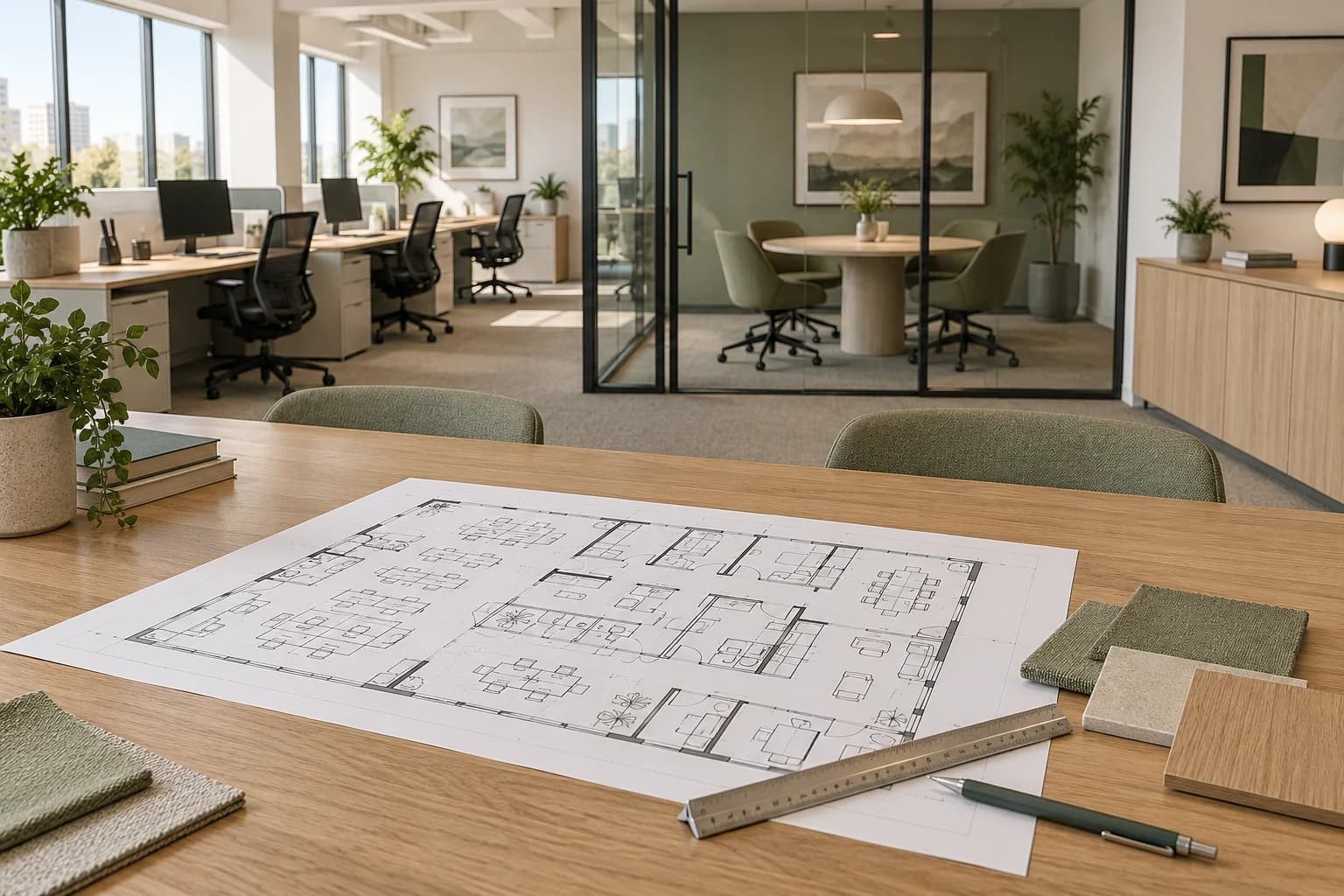
What Is Commercial Space Planning?
Space planning is the process of analyzing how a physical space will be used and creating a layout that supports those activities. In commercial furniture, that means translating headcount, work styles, departmental adjacencies, and growth projections into a floor plan with specific furniture placements, circulation paths, and support spaces.
It is not interior decorating. Space planning is a technical discipline that deals with building codes, ADA compliance, fire egress requirements, power/data infrastructure, and ergonomic standards. The aesthetic decisions come later — the plan comes first.
Concept comparison · not a measured or code-reviewed plan. The right mix depends on your team.
Who Does Space Planning?
Space planning typically comes from one of three sources, depending on project size and complexity:
- Dealer design teams — Most commercial furniture dealers have in-house designers or contract designers who provide space planning as part of the furniture procurement process. For standard office layouts, this is often included in the furniture quote at no additional charge. Dealer designers are experts in the specific product lines they sell and know exactly how to configure workstations, panel systems, and ancillary furniture.
- Architecture and interior design firms — For larger or more complex projects (new construction, major renovations, multi-floor buildouts), an architect or interior designer typically leads the space plan. They produce construction documents, coordinate with engineers, and manage the overall design vision. The furniture dealer then works from their plans.
- Independent space planners — Some consultants specialize in workplace strategy and space planning without being tied to a specific dealer or manufacturer. They can provide unbiased plans that any dealer can execute.
The Software Behind Space Plans
Professional space plans are not sketched on napkins. They are produced in specialized software that generates accurate, to-scale layouts with real product dimensions. The three most common tools in the commercial furniture industry:
- AutoCAD — The industry standard for 2D drafting. Every architect, designer, and most dealer design teams work in AutoCAD. Floor plans, furniture layouts, and construction documents are typically delivered as .dwg files. If your landlord or architect gives you a base building plan, it will almost certainly be in AutoCAD format.
- CET Designer (Configura) — The dominant tool for commercial furniture specification and space planning. CET has manufacturer-specific product libraries from Steelcase, Haworth, Kimball, and others built directly into the software. Designers can drag and drop real products onto a floor plan, configure them (finish, fabric, power options), and generate a bill of materials and pricing automatically. If your dealer uses CET, the design and the quote come from the same model — which eliminates specification errors.
- SketchUp / Revit / 3D visualization — Used for 3D renderings and client presentations. SketchUp is popular for quick concept visualizations. Revit (BIM) is used on larger architectural projects where furniture needs to integrate with building systems. Some dealers produce photorealistic 3D renderings to help clients visualize the finished space before ordering.
When evaluating a dealer or design firm, ask what software they use. A dealer working in CET Designer can turn around accurate layouts and quotes significantly faster than one working with generic drafting tools, because the product data is embedded in the design — dimensions, pricing, lead times, and configuration rules are all built in.
The Space Planning Process: Step by Step
1. Information Gathering (Week 1)
The designer starts by collecting: a base building floor plan (from your landlord, architect, or building management — typically a CAD file), your headcount and projected growth, departmental adjacency preferences (who needs to sit near whom), work style breakdown (private offices vs. open plan vs. hybrid), support space needs (conference rooms, phone rooms, break room, reception, storage), and any brand or product preferences.
2. Test Fits (Week 1-2)
Before committing to a full design, the planner produces test fits — rough layouts that show how many people and what types of spaces can fit on the floor. Test fits answer the fundamental question: "Does this space work for our needs?" You might get 2-3 test fit options showing different approaches (more private offices vs. more open plan, different desk orientations, different conference room counts). Test fits are quick — often delivered within a few days.
3. Schematic Design (Week 2-3)
Once a test fit direction is approved, the designer develops a full schematic layout with specific products placed. This is where CET Designer shines — the designer places actual Steelcase Ology desks or Haworth Compose panels on the plan, not generic rectangles. The schematic includes furniture placement, circulation paths, power/data locations, and support space layouts.
4. Design Development & Finishes (Week 3-4)
The approved schematic gets refined with finish selections — fabric colors, laminate finishes, edge profiles, frame colors, and accessories. The designer coordinates finishes across product lines to ensure a cohesive look. This phase often involves physical finish samples and sometimes a presentation board showing how materials work together.
5. Final Documents & Specification (Week 4-5)
The completed design is documented with: a final furniture plan (to-scale CAD drawing), a complete bill of materials with product numbers and quantities, a specification book (every product with its exact configuration), finish schedules, and installation notes. In CET, all of this generates automatically from the design model. This package is what goes to the dealer for final pricing and order placement.
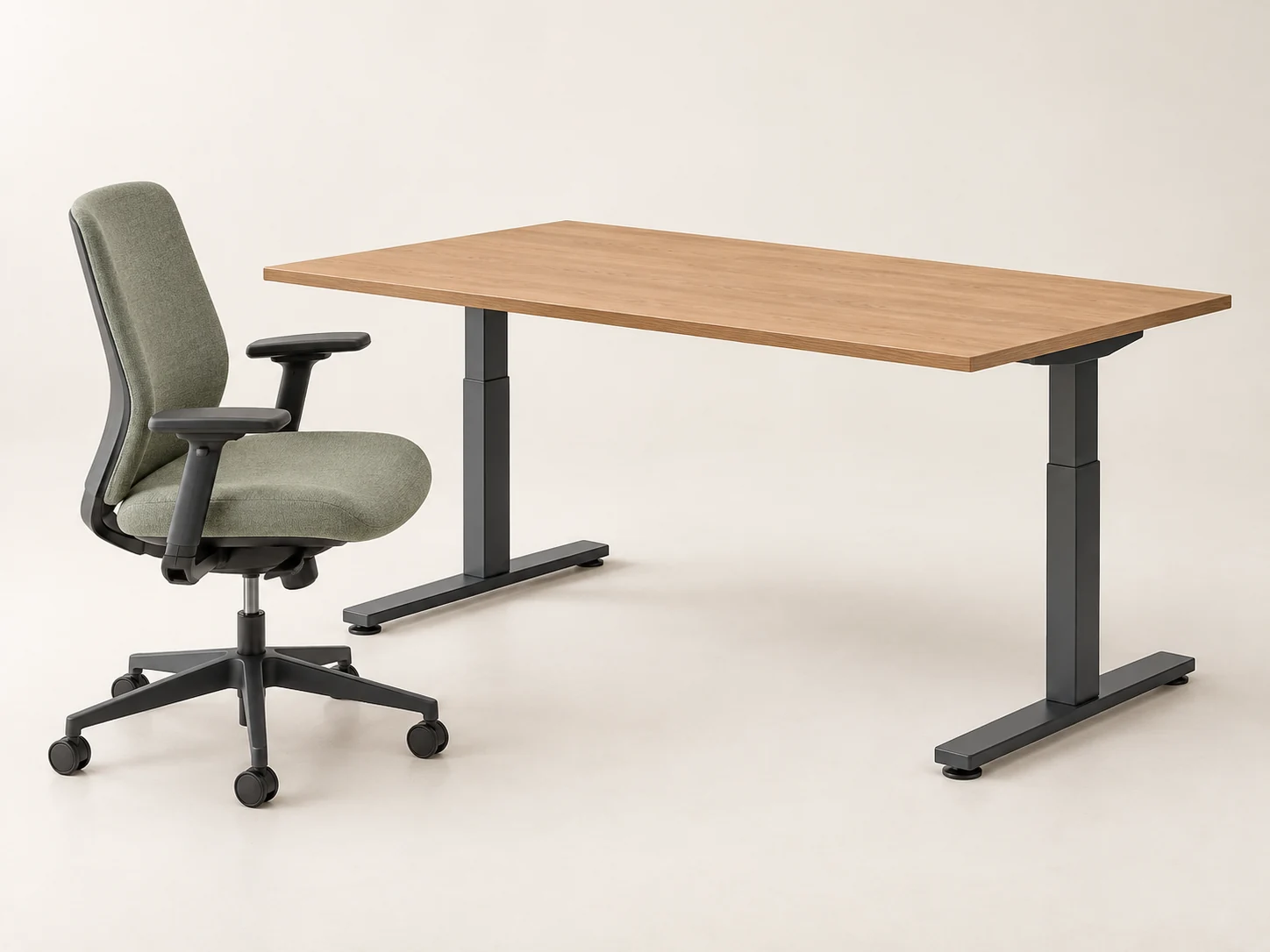
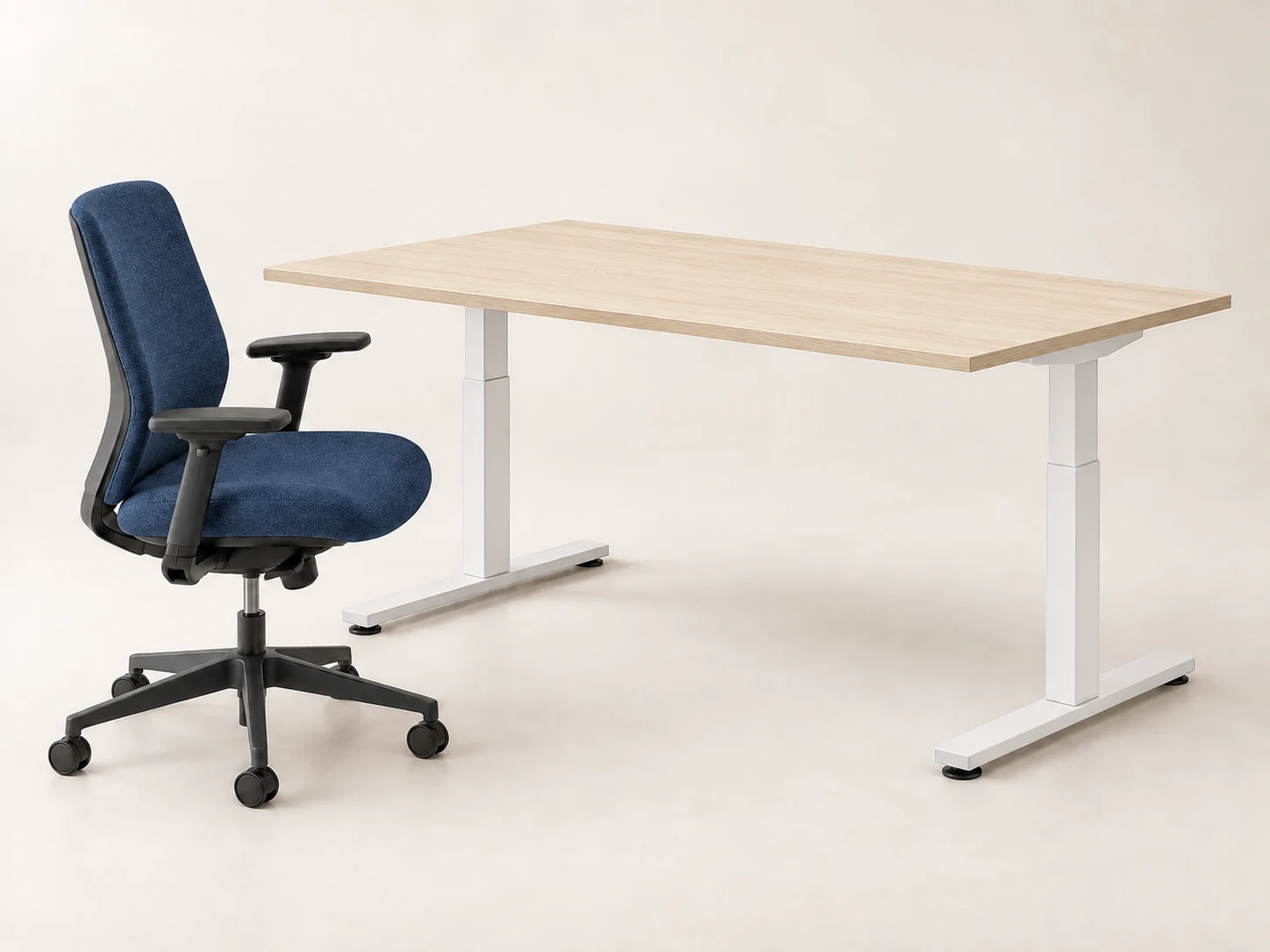
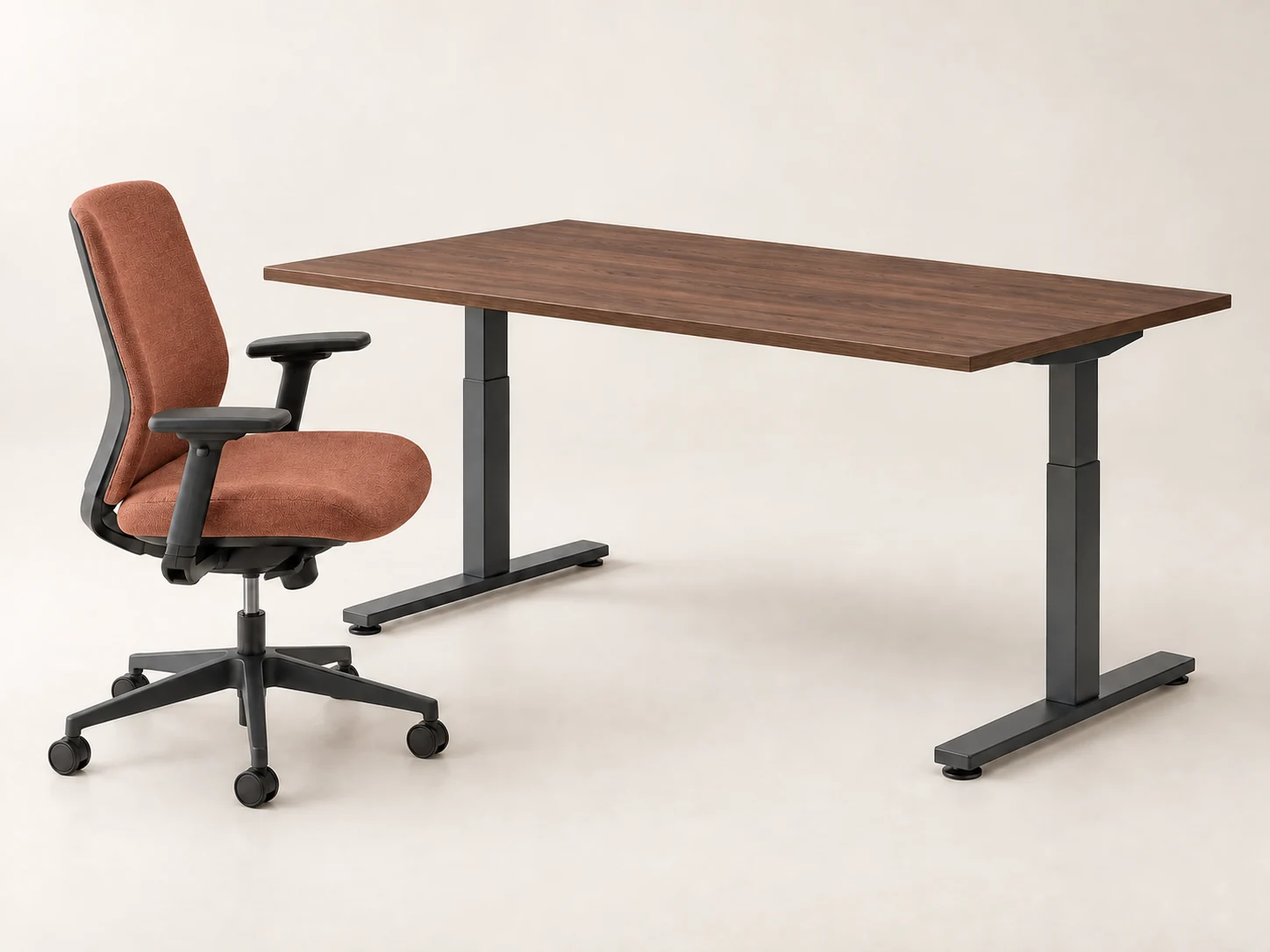
One space.
A different feeling.
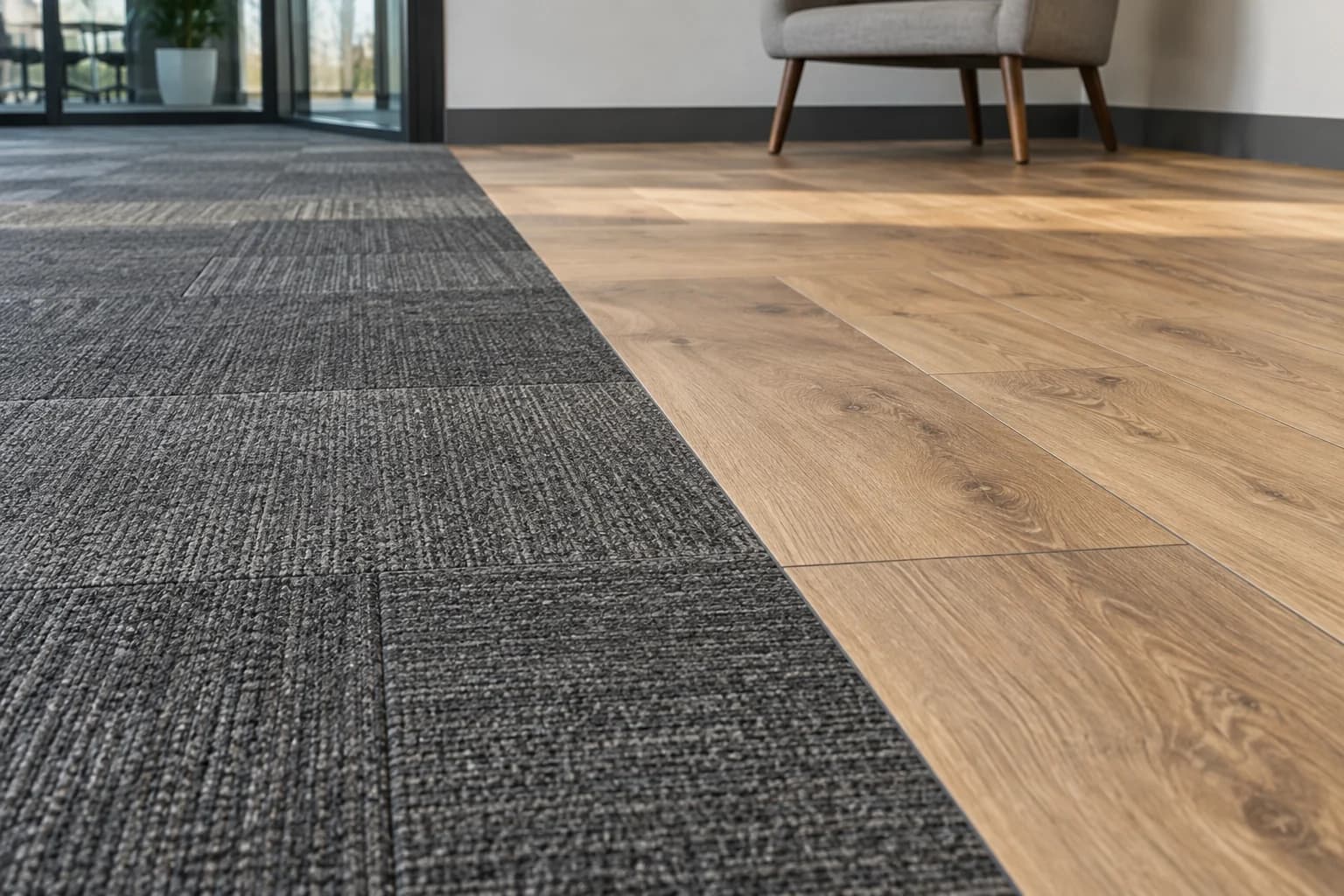
Bring surface, textile, and frame finishes into the same conversation.
A concept palette is a starting point. Review physical samples and manufacturer finish codes before ordering.
The final package connects your layout, finishes, quantities, and installation notes.
Finish schedule
Specification
How Long Does Space Planning Take?
For a typical commercial office project:
- Small project (10-30 people) — 1-2 weeks from kickoff to final plan. A dealer designer can often turn around a test fit in 2-3 days.
- Medium project (30-100 people) — 2-4 weeks. Multiple rounds of test fits and revisions are normal. Finish selection adds time.
- Large project (100+ people) — 4-8 weeks. Complex adjacency requirements, multiple floors, and stakeholder approval processes extend the timeline. Projects with architectural changes can take longer.
The biggest timeline risk is internal decision-making. The designer can produce a plan in days, but waiting for committee reviews, executive approvals, or departmental feedback can add weeks. Assign a single decision-maker or small committee with authority to approve designs without going through multiple review cycles.
What Space Planning Costs
This depends entirely on who is doing it:
- Dealer design teams — Typically included in the furniture quote at no additional charge for standard projects. The dealer absorbs the design cost as part of the sale. This is one of the most valuable services dealers provide and a major reason to work with a full-service commercial dealer rather than buying direct.
- Architecture / interior design firms — Bill hourly ($100-250/hour) or by square footage ($1-5/sq ft). A full design package for a 20,000 sq ft office might run $20,000-60,000 depending on complexity and scope.
- Independent consultants — Similar to design firms but sometimes more flexible on scope. Expect $75-200/hour or project-based pricing.
Common Space Planning Mistakes
- Planning for today, not tomorrow — Build in 10-20% growth capacity. Adding workstations to a maxed-out floor plan means moving walls or people.
- Ignoring circulation space — 30-40% of usable floor area goes to walkways, corridors, and aisles. A 10,000 sq ft floor does not hold 10,000 sq ft of furniture.
- Under-building small meeting spaces — 70% of meetings are 4 people or fewer. If all your conference rooms seat 12, people will book big rooms for small meetings and there will never be availability.
- Forgetting about power and data — The space plan must account for where electrical and data drops are (or will be). Moving an outlet costs $500-1,500 per drop. Planning furniture around existing infrastructure saves significant money.
- Not walking the space — A floor plan on screen does not show ceiling height obstructions, column locations that interfere with sightlines, uneven floors, or windows that create glare at certain times of day. Always walk the physical space before finalizing a plan.
Questions to Ask Your Space Planner
- What software do you use for layouts? (CET Designer is the gold standard for furniture-specific planning)
- How many rounds of revisions are included?
- Will you provide a bill of materials with pricing, or just a floor plan?
- Can you produce 3D renderings so stakeholders can visualize the space?
- Do you coordinate with our IT team on power and data locations?
- How do you handle ADA compliance in the layout?
- What is your turnaround time for the initial test fit?